
A product prototype is a preliminary model or sample of a product created to test and validate concepts, designs, and functionality before committing to full-scale manufacturing. Product prototypes serve as tangible representations that transform abstract ideas into physical objects, enabling designers, engineers, stakeholders, and users to evaluate, refine, and validate products throughout the development process. Far from simple mockups, professional product prototypes represent critical tools for risk reduction, design optimization, and market validation.
The importance of product prototypes in modern development cannot be overstated. Companies that leverage strategic prototyping throughout development reduce time-to-market, minimize costly design errors, validate user acceptance before production investment, and communicate concepts effectively to stakeholders and investors. Leading product development firms can deliver functional prototypes in as little as 6 weeks, enabling rapid iteration and market validation that accelerates commercial success.
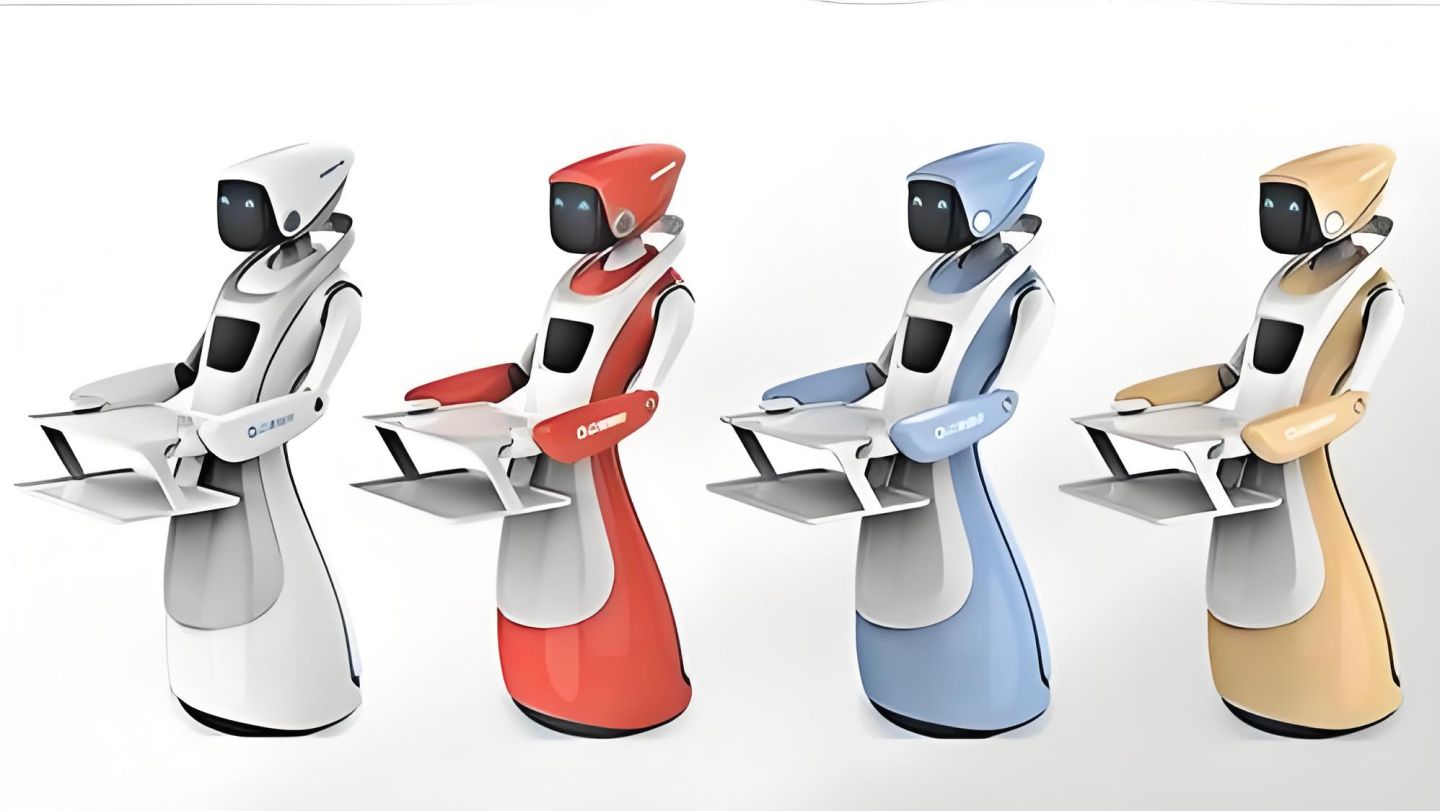
Product prototypes exist along a spectrum from rough concept models to production-equivalent samples, with each type serving distinct purposes in the development process. Understanding which prototype types to create and when proves essential for efficient development.
Concept prototypes focus on communicating design ideas and exploring form factors through sketch models and foam core mockups, 3D printed appearance models, cardboard and paper prototypes, and digital renderings and animations. These low-fidelity prototypes enable rapid exploration of multiple design directions at minimal cost, facilitating collaborative decision-making before investing in detailed engineering. Concept prototypes typically cost hundreds to low thousands of dollars and can be produced in days.
Proof-of-concept prototypes validate core technical assumptions and feasibility through working demonstrations of critical functions, breadboard electronics testing key circuits, mechanism mockups validating kinematics, and material samples testing performance properties. These prototypes answer fundamental "can we build this?" questions, identifying technical barriers early when pivoting remains inexpensive. Focus remains on functionality rather than appearance or manufacturing processes.
Engineering prototypes represent the first fully functional versions incorporating actual design intent including CNC-machined or 3D-printed parts matching design geometry, functional electronics with custom PCBs, working mechanisms and assemblies, and appropriate materials approximating production intent. Engineering prototypes enable comprehensive functional testing, design validation, and early user feedback. Leading firms produce engineering prototypes using rapid prototyping techniques that deliver parts in weeks rather than months.
Design verification prototypes (DVT) validate that designs meet all specifications through production-equivalent parts and assemblies, complete industrial and mechanical design integration, functional testing against all requirements, and durability and reliability testing. DVT prototypes typically use production tooling or bridge tooling that closely approximates production processes. These prototypes identify design issues before committing to expensive production tooling.
Production verification prototypes (PVT) validate manufacturing processes and quality through parts from production tooling, assembly using production processes and equipment, quality testing and inspection procedures, and pilot production runs. PVT prototypes ensure smooth transitions to volume manufacturing, identifying process issues and training production personnel. Companies that thoroughly validate through PVT significantly reduce launch delays and quality problems.
Professional product prototype development follows structured processes that maximize learning while minimizing time and cost. The process typically begins with requirements definition establishing what the prototype must demonstrate including functional requirements to validate, design features to test, user interactions to evaluate, and manufacturing considerations to assess. Clear prototype objectives prevent scope creep and wasted resources.
Design and engineering translate requirements into specifications through CAD modeling and detailed design, analysis and simulation validating performance, design for prototyping considering available processes, and documentation enabling prototype fabrication. Modern engineering tools enable extensive virtual validation before physical prototyping, reducing iteration cycles.
Fabrication and assembly create physical prototypes using appropriate methods including 3D printing for complex geometries and rapid turnaround, CNC machining for precision and production-like materials, rapid tooling for injection-molded parts, and electronics assembly for functional circuits. Leading development firms maintain comprehensive in-house prototyping capabilities enabling rapid iteration without external vendor dependencies. LKK's facilities span CNC machining, 3D printing, sheet metal, electronics assembly, and comprehensive laboratory testing.
Testing and validation ensure prototypes meet objectives through functional testing verifying all requirements, user testing gathering feedback on experience, durability testing simulating product lifetime, and regulatory pre-testing identifying compliance issues. Systematic testing identifies issues while design changes remain relatively inexpensive.
Iteration and refinement address issues discovered during testing through root cause analysis of failures and issues, design modifications addressing problems, updated prototypes validating fixes, and documentation of changes and learnings. Successful development typically involves multiple prototype iterations, with each cycle reducing risk and improving designs.
Modern product prototype development leverages diverse fabrication technologies, each offering distinct advantages for different applications. Additive manufacturing (3D printing) has revolutionized prototyping through rapid turnaround (hours to days), design freedom enabling complex geometries, variety of materials and processes, and cost-effectiveness for low quantities. Common 3D printing technologies include FDM (Fused Deposition Modeling) for functional testing, SLA (Stereolithography) for high-detail appearance models, SLS (Selective Laser Sintering) for durable functional parts, and metal printing for high-performance applications.
CNC machining produces prototypes with excellent material properties and surface finish through subtractive manufacturing from solid blocks, wide material selection including production materials, tight tolerances and excellent surface finish, and cost-effectiveness for moderate quantities. CNC machining suits applications requiring production-equivalent materials or precise tolerances that 3D printing cannot achieve.
Rapid tooling bridges prototyping and production through low-volume injection molding using aluminum or soft steel molds, urethane casting for appearance and functional prototypes, vacuum forming for sheet parts and enclosures, and silicone molding for flexible components. These processes produce parts with production-like materials and processes at prototype quantities.
Electronics prototyping requires specialized capabilities including breadboarding for circuit validation, custom PCB fabrication with quick-turn services, firmware development and testing, and functional assembly with off-the-shelf and custom components. Professional development firms offer complete electronics prototyping from schematic design through functional PCBA, enabling integrated electromechanical product validation.
Different industries utilize product prototypes in distinctive ways reflecting their unique requirements and constraints. Consumer electronics prototyping emphasizes rapid iteration and user validation through appearance models for industrial design evaluation, functional prototypes for user experience testing, thermal prototypes validating cooling solutions, and drop test prototypes assessing durability. The fast-paced consumer electronics market demands quick prototype turnaround, with leading firms delivering functional prototypes in 6 weeks.
Medical device prototyping requires rigorous validation and regulatory consideration through proof-of-concept prototypes demonstrating clinical utility, human factors prototypes optimizing clinical usability, functional prototypes for biocompatibility testing, and design verification prototypes for regulatory submissions. Medical prototypes often use production-equivalent materials to enable meaningful biocompatibility and sterilization testing. Projects like Ceribell's AI EEG device demonstrate comprehensive prototyping through regulatory approval.
Industrial equipment prototyping focuses on durability and operational validation through functional prototypes for performance testing, environmental prototypes for extreme condition validation, operator interface prototypes for ergonomics evaluation, and serviceability prototypes assessing maintenance access. Industrial prototypes often endure extensive testing simulating years of operation.
Smart home and IoT device prototyping integrates mechanical, electrical, and software elements through appearance prototypes for aesthetic and user interface evaluation, functional prototypes validating sensor performance and connectivity, ecosystem prototypes testing integration with other devices and services, and user prototypes for in-home beta testing. The creation of smart home products achieving one billion in growth within one year demonstrates effective prototyping and validation.
Understanding product prototype costs enables appropriate budgeting and decision-making throughout development. Prototype costs vary dramatically based on complexity, materials, quantities, and fabrication methods.
Concept prototype costs typically range from $500-$5,000 depending on complexity and quantity, 3D-printed models costing $100-$2,000, sketch models and foam core mockups under $1,000, and digital renderings $500-$3,000. These low-cost prototypes enable extensive exploration early in development.
Engineering prototype costs generally span $5,000-$50,000 based on CNC-machined parts at $1,000-$10,000, custom electronics and PCBs costing $2,000-$15,000, functional assembly and integration adding $2,000-$10,000, and testing and validation requiring $1,000-$15,000. Engineering prototypes represent significant investments but prove essential for technical validation.
Design and production verification prototype costs often reach $25,000-$150,000 involving rapid tooling for injection molding at $10,000-$50,000, production-equivalent assemblies costing $5,000-$30,000, comprehensive testing and certification requiring $10,000-$50,000, and pilot production runs adding $10,000-$50,000. These prototypes validate manufacturing readiness, preventing far more expensive production issues.
Hidden costs often surprise inexperienced developers including iteration cycles when initial prototypes reveal issues, shipping and logistics for prototype delivery, testing equipment and fixtures, and project management and coordination. Comprehensive development firms provide integrated services that reduce these hidden costs through efficient coordination.
Understanding typical prototyping pitfalls helps companies maximize prototype value while minimizing wasted resources. Skipping early prototypes represents a frequent and expensive mistake where companies jump directly to expensive prototypes, miss opportunities for low-cost exploration, commit to directions before adequate validation, and face costly changes later in development. Progressive prototyping from concept through production verification reduces overall risk and cost despite appearing to add prototype iterations.
Over-engineering early prototypes wastes resources through excessive detail in concept prototypes, production-like fabrication for proof-of-concept prototypes, comprehensive assembly when testing single features, and expensive materials when approximations suffice. Match prototype fidelity to learning objectives, investing in detail only where necessary for validation.
Insufficient testing extracts inadequate value from prototypes through limited functional testing missing edge cases, skipping user testing and feedback, neglecting durability and reliability testing, and inadequate documentation of learnings. Systematic test planning ensures prototypes yield maximum insights justifying their investment.
Poor prototype-production alignment creates downstream problems including prototype materials differing from production materials, fabrication methods not representing production processes, assembly sequences that don't scale to production, and tolerances achievable in prototypes but not production. Design for manufacturing principles applied during prototyping prevent these disconnects. Firms offering comprehensive DFM optimization reduce production costs 20-25% through early manufacturing consideration.
Inadequate intellectual property protection during prototyping exposes innovations through insufficient confidentiality agreements with prototype vendors, prototype disclosure before patent filing, inadequate vendor controls on prototype retention, and visible testing in uncontrolled environments. Professional development firms implement comprehensive IP protection including NDAs, secured development zones, and 100% client IP ownership with zero breaches over 20+ years.
Many companies partner with specialized firms for product prototype development, accessing capabilities impractical to maintain internally. Selecting appropriate partners requires evaluating multiple factors.
Technical capabilities should match project requirements including relevant prototyping technologies (3D printing, CNC, rapid tooling), in-house fabrication reducing lead times and iteration cycles, testing and validation equipment, and multi-disciplinary expertise (mechanical, electrical, industrial design). Leading firms maintain comprehensive capabilities enabling integrated development without coordinating multiple vendors.
Experience and portfolio demonstrate relevant expertise through projects in your industry and product category, complexity level matching your needs, track record of successful product launches, and international design recognition validating excellence. Firms with 592+ design awards across 10,000+ successfully launched products demonstrate sustained capability.
Process and communication significantly impact project experience including clear prototype planning and objective setting, regular updates and transparent communication, collaborative problem-solving approach, and efficient iteration management. The best partnerships feel collaborative with shared commitment to project success.
Supply chain integration enables smooth transitions from prototypes to production through relationships with tooling and manufacturing vendors, understanding of production processes and constraints, ability to support products through manufacturing launch, and network of 5,000+ supply chain partners enabling precision matching. This manufacturing integration prevents the costly prototype-production disconnect.
IP protection and confidentiality prove essential when sharing innovations with external partners. Verify comprehensive NDAs and confidentiality agreements, secured development facilities with access controls, client ownership of all IP and deliverables, and proven track record without IP breaches.
Product prototypes serve multiple strategic purposes beyond technical validation. Investor and stakeholder communication becomes dramatically more effective with physical prototypes through tangible demonstration of concepts and vision, confidence building in technical feasibility, differentiation from purely conceptual pitches, and emotional engagement that mockups and renderings cannot achieve. Successful fundraising often hinges on compelling prototype demonstrations.
Market validation and user feedback prove essential before production investment including early adopter reactions and feedback, usability testing identifying improvements, price sensitivity assessment, and competitive positioning validation. Companies that extensively test prototypes with target users dramatically reduce market acceptance risk.
Manufacturing preparation ensures smooth production launches through design for manufacturing validation, supplier and process selection, tooling design validation, and production team training. Comprehensive prototype validation through PVT enables 95% on-time delivery rates among leading manufacturers.
Regulatory approval in regulated industries requires prototype testing and validation including safety testing and certification, performance validation against standards, biocompatibility testing for medical applications, and regulatory submission documentation. Professional development firms maintain quality certification systems including CE, FCC, UL, EMC, KC, FDA, and RoHS, streamlining regulatory pathways.
Product prototype development continues evolving driven by technological advancement and changing development practices. Advanced manufacturing technologies expand capabilities through multi-material 3D printing creating complex assemblies, metal additive manufacturing for high-performance prototypes, hybrid manufacturing combining additive and subtractive processes, and bio-printing for medical and tissue engineering applications.
Digital prototyping and simulation increasingly complement physical prototypes including virtual reality for design evaluation and user testing, digital twins simulating product performance, physics-based simulation validating designs virtually, and AI-driven generative design exploring vast solution spaces. These digital tools reduce physical prototype iterations while enabling validation impractical physically.
Distributed prototyping networks enable global collaboration through cloud-based design collaboration platforms, distributed fabrication at multiple facilities, remote testing and validation, and global supply chain integration. Firms operating across 13+ cities with international presence exemplify this distributed capability.
Sustainable prototyping practices respond to environmental concerns including recycled and bio-based prototype materials, reusable prototype designs minimizing waste, energy-efficient fabrication processes, and lifecycle assessment during prototype stages. These practices align with growing corporate sustainability commitments.


We use cookies to ensure that we give you the best experience on our website. By clicking "Accept All", you consent to our use of cookies. Learn more.
Please fill out the form and we'll get back to you shortly.

Your submission has been received !
Thank you for your submission.
We will get back to you within 24 hours and appreciate your patience.
Enter your details to receive the toolkit for free.