
Industrial design is the discipline of creating physical products that can be manufactured at scale while delivering a compelling user experience. Today’s modern industrial design process blends design thinking, engineering, digital tools, and manufacturing collaboration from the very beginning.
Instead of handing off static drawings to factories late in the project, leading teams involve manufacturing partners early, run rapid prototyping loops, and use real‑world feedback to refine both the product and the production system.
Every successful product begins with insight. The research phase focuses on understanding:
Users and their pain points
Market context, competitors, and price bands
Applicable standards, regulations, or technical constraints
Environmental and sustainability considerations
Industrial designers and strategists conduct interviews, observations, and desk research. They synthesize findings into personas, usage scenarios, and clear design goals. This work guides all later decisions about features, materials, and form factor.
With the problem clearly defined, teams move into ideation. They generate a wide range of possibilities through sketching, quick CAD explorations, and low‑fidelity prototypes.
Key activities include:
Brainstorming features and usage modes
Exploring multiple aesthetic directions and design languages
Testing rough mockups to check ergonomics and basic usability
Creating concept boards to communicate visions with stakeholders
Modern workflows rely on digital tools and collaborative sessions so industrial designers, engineers, and marketing teams can quickly align around promising directions.
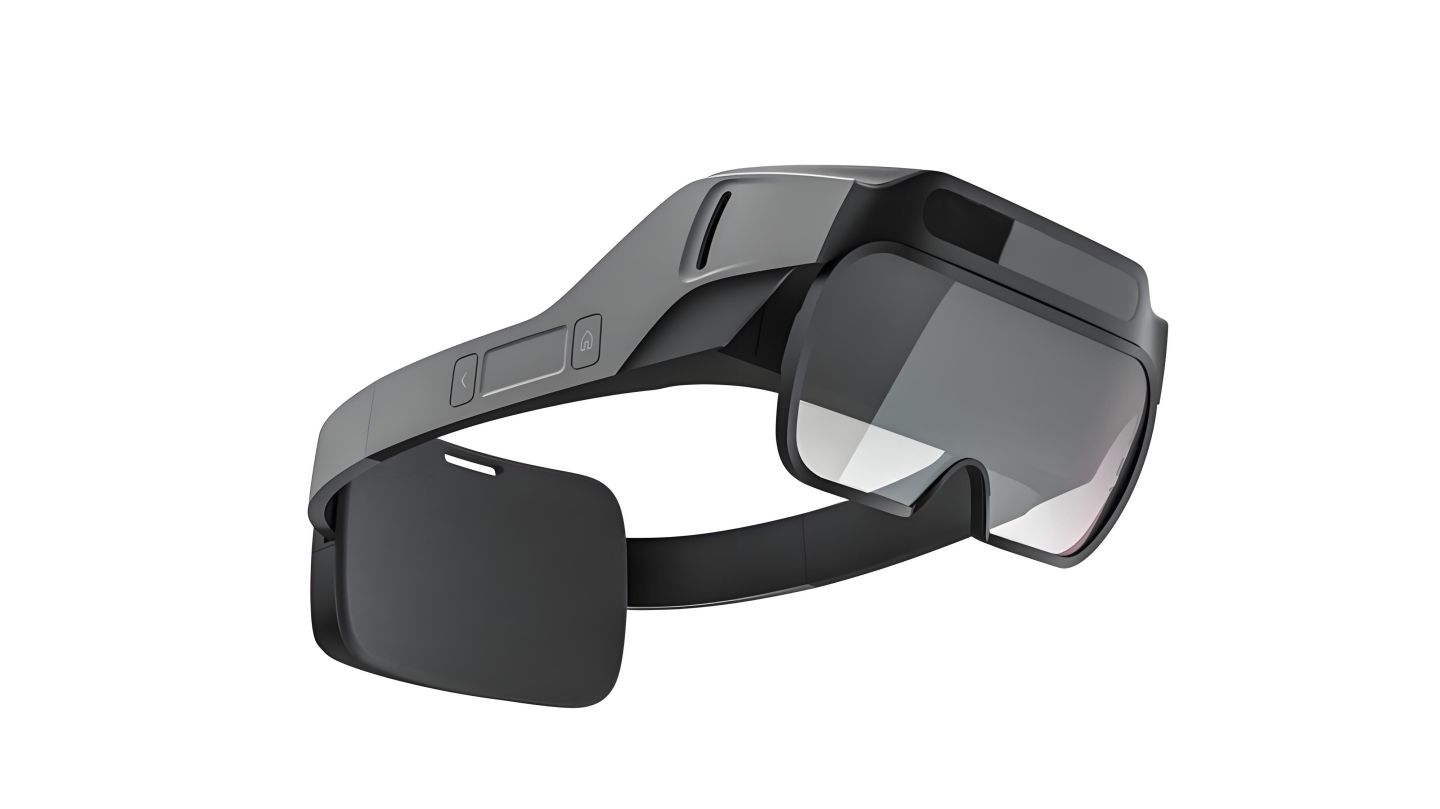
Once a concept is selected, the team refines it into a detailed design. This is where industrial design, mechanical engineering, and electronic engineering come together.
The work typically involves:
Building 3D CAD models with accurate dimensions and interfaces
Creating internal structures, mounting points, and cable routing paths
Selecting materials and surface finishes aligned with brand and target costs
Preparing initial manufacturing documentation such as exploded views and part lists
Industrial designers use 3D software, computer‑aided industrial design tools, and CAD programs to move seamlessly from concept sketches to precise models ready for prototyping.
Prototyping is not a single event but a continuous loop throughout the modern industrial design process. Teams rotate through physical and digital prototypes to validate assumptions quickly.
Typical prototype types include:
Foam or cardboard models for quick proportion and layout studies
3D‑printed mockups to test grip, fit, and scale
CNC‑machined parts to evaluate durability and surface finishes
Looks‑like and works‑like prototypes that combine real electronics with realistic housings
Rather than trying to perfect the CAD model in isolation, teams move from sketch to sample and back again. This approach reveals usability issues, integration challenges, and manufacturing risks far earlier than traditional linear processes.
As prototypes increase in fidelity, engineering validation and design for manufacturability become central. Industrial designers collaborate closely with mechanical and electronic engineers to ensure that the product not only looks good but can also be built efficiently.
Key tasks in this phase:
Validating thermal behavior, structural stiffness, and impact resistance
Confirming PCB layouts, connectors, and antenna placements
Applying DFM rules for processes such as injection molding, die‑casting, stamping, and assembly
Optimizing part counts and assembly steps to reduce cost and complexity
Partners like LKK embed manufacturing engineering and DFM into the prototype stages, setting realistic tolerances, designing for automated or semi‑automated assembly, and choosing processes based on expected volumes and cost targets.
Over the years, LKK Innovation Design Group has accumulated 609 design awards worldwide. In 2026, it further expanded this record by winning 2 Gold and 1 Silver at the MUSE Design Awards in the United States and multiple honors from the Red Dot Product Design Award in Germany, confirming the global competitiveness of its industrial design process.
The design verification stage tests whether the product, in a near‑final form, truly meets user needs and performance requirements.
This stage involves:
Environmental tests (temperature, humidity, vibration, drop)
Long‑term reliability and fatigue tests
Regulatory and safety pre‑compliance evaluations where relevant
Field trials with pilot users, collecting structured feedback
High‑fidelity prototypes, including 3D printed and CNC‑machined parts combined with production‑grade electronics, allow teams to check everything from button feel and screen readability to acoustic performance and assembly quality.
LKK, for example, has developed prototypes for sectors such as medical equipment, smart home devices, and industrial robotics, where design verification must balance user experience with strict performance and safety criteria.
An often overlooked part of the modern industrial design process is validating the production system itself. Production validation prototypes and pilot builds test whether the manufacturing line can consistently produce the designed product at target yields and cycle times.
Activities in this phase include:
Trial production runs using early or final tooling
Line balancing, workstation design, and operator training
Building and refining work instructions, inspection plans, and test fixtures
Analyzing yield, identifying root causes, and implementing corrective actions
LKK’s contract manufacturing and prototype design services manage these steps with structured documentation and SOPs, ensuring that each iteration improves factory performance and product reliability.
You can see how these integrated services work together on their official site: https://www.lkkerscm.com.
Even after launch, the modern industrial design process continues. Real‑world usage data, customer feedback, and field returns feed into next‑generation designs and incremental updates.
Teams monitor:
Customer satisfaction and usage patterns
Failure modes and quality issues over time
Opportunities for cost reduction, sustainability improvements, or feature updates
New materials, processes, or technologies that could upgrade the product line
Cross‑industry partners like LKK, which work on everything from consumer devices to industrial systems, often bring fresh perspectives and proven solutions from other sectors, accelerating continuous improvement and innovation.


We use cookies to ensure that we give you the best experience on our website. By clicking "Accept All", you consent to our use of cookies. Learn more.
Please fill out the form and we'll get back to you shortly.

Your submission has been received !
Thank you for your submission.
We will get back to you within 24 hours and appreciate your patience.
Enter your details to receive the toolkit for free.