
Product design prototyping is the bridge between a promising idea and a reliable, mass-producible product. When managed correctly, prototyping reduces risk, shortens time-to-market, and improves product-market fit for startups and established brands alike.
LKK has supported global brands such as BMW, Audi, GE, Siemens, and Samsung in developing thousands of physical products by combining industrial design, mechanical and electrical engineering, and contract manufacturing. In this guide, you will learn each critical step in the product design prototyping journey and how an end-to-end partner like LKK can support you from concept through to manufacturing.
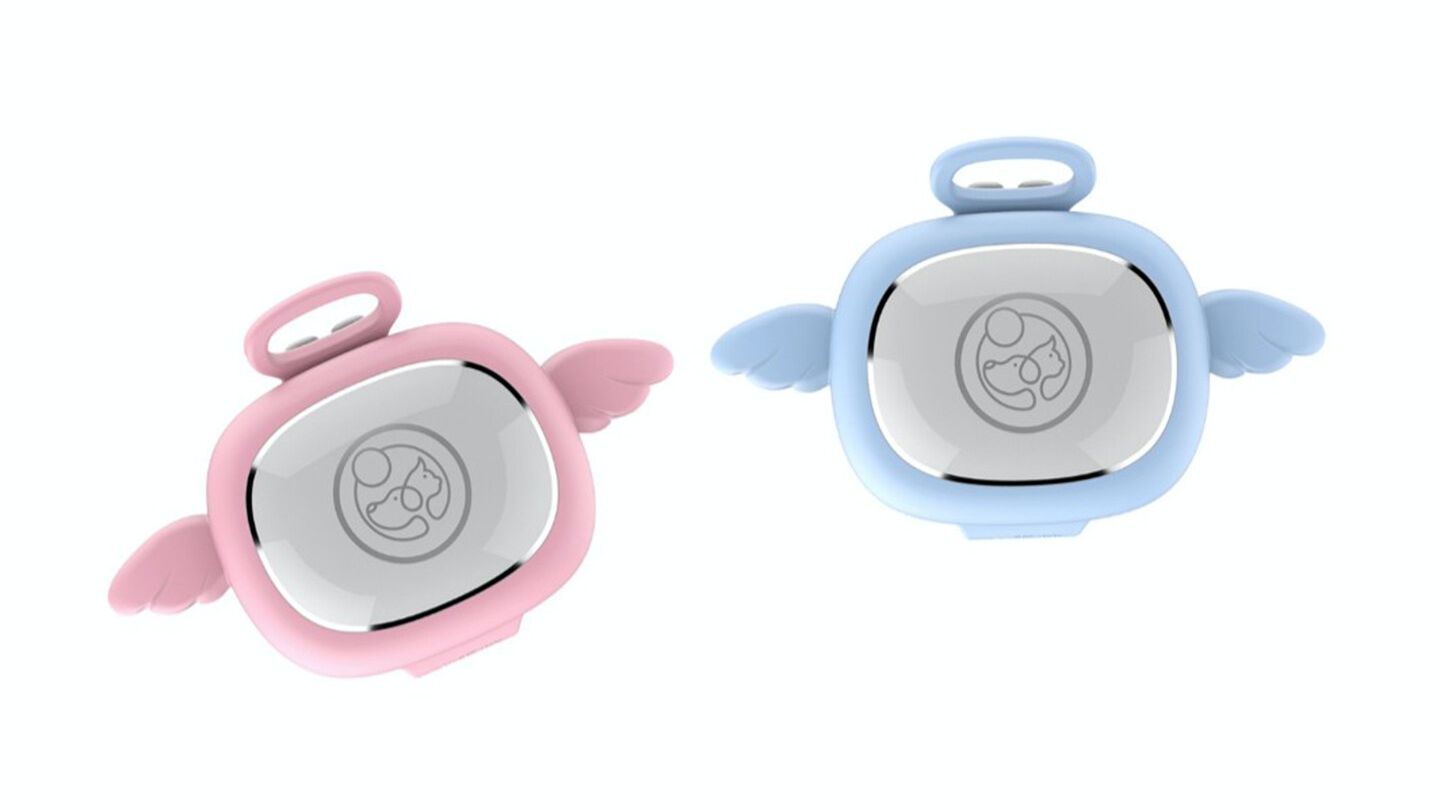
Product design prototyping is the process of creating physical or digital representations of a product concept to test functionality, usability, aesthetics, and manufacturability. These prototypes can range from rough mock-ups to fully functional pre-production units used for validation, certification, and pilot runs.
The prototyping process typically involves several iterations, each informed by user feedback, engineering analysis, and manufacturing constraints. By the time a product leaves the prototyping phase, its core design decisions, materials, and manufacturing processes are validated and ready to scale.
Effective product design prototyping starts long before the first 3D print or PCB is fabricated. The foundation is a clear problem definition, user research, and a validated value proposition.
During concept development, teams typically:
Define the target user, pain points, and use scenarios.
Analyze competitors and substitute solutions in the market.
Identify key functional requirements and constraints (e.g., size, power, connectivity, certifications).
Prioritize features for a first launch (MVP) versus future versions.
Industrial design teams at LKK support this phase with user research, product strategy, and early concept sketches that explore form, ergonomics, and interaction models. These deliverables provide a shared vision for designers, engineers, and stakeholders before significant time and budget are committed to engineering.
A simple checklist at this stage prevents expensive pivots later:
Clear problem statement and success metrics.
Defined primary and secondary user personas.
List of essential features versus "nice-to-haves".
Preliminary technical feasibility assessment (sensors, communications, power, materials).
Early regulatory and compliance considerations (e.g., EMC, medical, safety).
Sample Concept Research Table
| Item | Description | Status |
| Target user personas | Document primary use cases, environments, and constraints. | To do |
| Competitive products | Analyze 3–5 alternatives, pricing, and feature gaps. | To do |
| Technical feasibility notes | List key components and potential risks. | To do |
| Regulatory requirements | Identify relevant standards (e.g., CE, FCC). | To do |
| Initial business assumptions | Estimate volumes, price, margins, and ROI expectations. | To do |
Once the concept is validated, the next step is to translate ideas into tangible forms using low-fidelity prototypes. Low-fidelity prototypes are quick, inexpensive representations that help you explore size, look, and basic user interaction without committing to final materials or components.
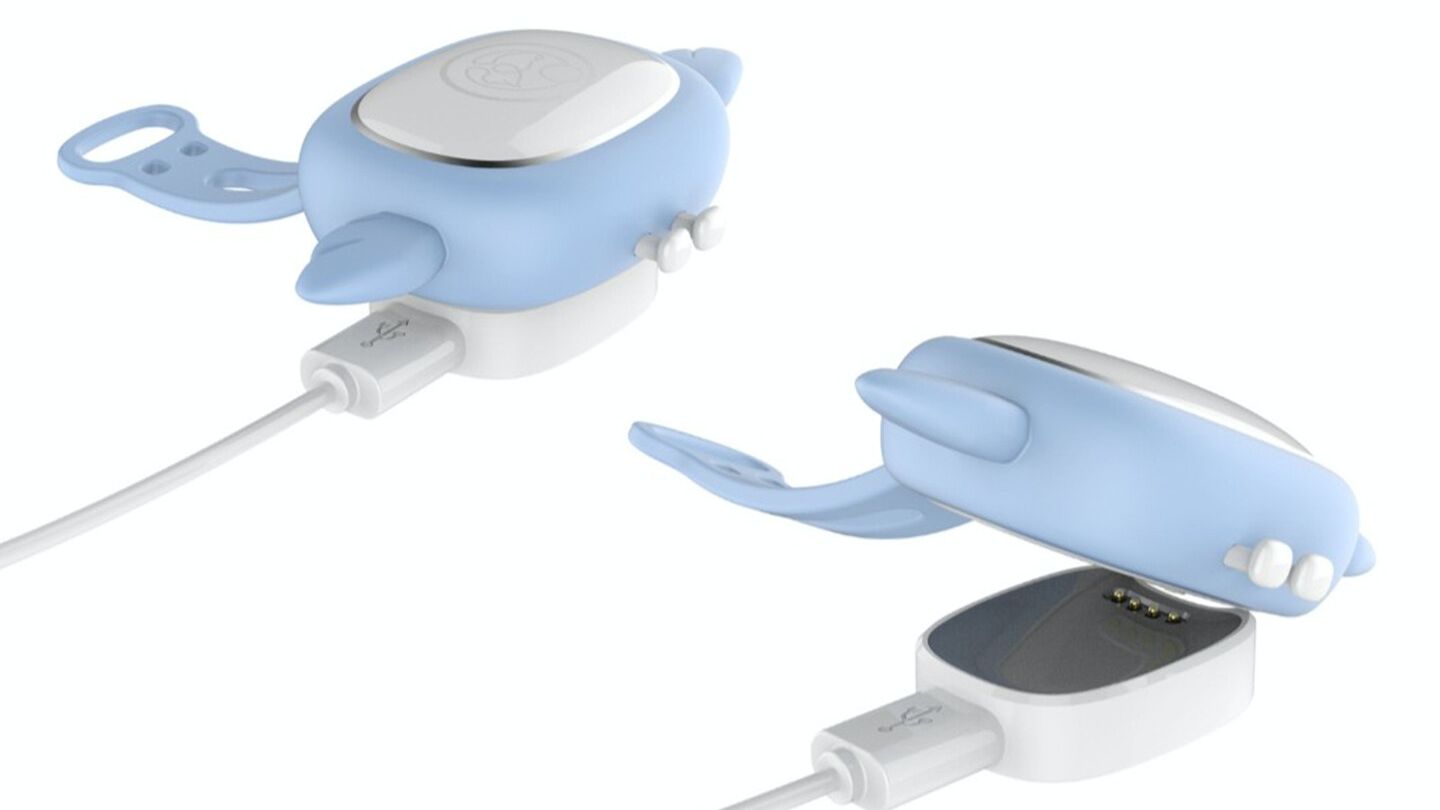
These prototypes may include:
Hand sketches and simple cardboard or foam models for form and ergonomics.
Basic digital models in CAD or 3D tools to understand internal layouts.
Clickable UX flows for products with companion apps or interfaces.
The goal is not perfection but learning: which design language resonates, whether buttons and displays are in intuitive locations, and how the product feels in the user's hands. LKK's industrial design teams often create multiple concepts in parallel at this stage, allowing clients to compare aesthetics and usability before choosing a direction for detailed engineering.
Even in low-fidelity prototyping, it is wise to consider basic Design for Manufacturability (DFM) principles. For example, designers can:
Avoid extreme undercuts or shapes that complicate molding or machining.
Consider standard wall thicknesses and draft angles for injection-molded plastics.
Leave sufficient space for PCBs, batteries, and connectors inside the enclosure.
LKK integrates DFM thinking from the earliest modeling stages so that chosen concepts can transition smoothly into detailed mechanical and electronic design without major redesigns.
High-fidelity prototypes closely resemble the final product in shape, materials, and functionality. At this stage, teams converge on a chosen concept and build prototypes that can be tested for mechanical strength, usability, thermal performance, and electrical behavior.
Common high-fidelity prototyping methods include:
3D printing (SLA, SLS, FDM) for enclosures, brackets, and internal structures.
CNC machining for metal and plastic parts that require tight tolerances.
Soft tooling or low-volume injection molding for more realistic material behavior and finishes.
For electronic products, this phase usually overlaps with PCBA prototyping:
Schematic design and PCB layout.
Generation of Gerber files and fabrication of prototype PCBs.
Component sourcing and SMT assembly for short prototype runs.
Initial firmware development and integration testing.
LKK's electrical engineering and manufacturing teams support PCBA prototyping, enclosure integration, and system-level testing, enabling clients to evaluate end-to-end performance. This reduces integration risks and shortens the path to a stable, manufacturable design.
| Prototype Type | Purpose | Typical Methods | Cost | Speed |
| Low-fidelity | Explore ideas and ergonomics. | Sketches, cardboard, foam. | Low | Fast |
| Appearance | Validate form and aesthetics. | 3D printing, painting, finishing. | Med | Med |
| Functional | Test core functions. | PCBA, assembled mechanics. | Med | Med |
| Engineering | Validate performance and tolerance. | CNC, soft tooling, PCBA. | High | Slow |
| Pre-production unit | Mirror final product for pilots. | Production-like tooling and processes. | High | Slow |

After building functional prototypes, the focus shifts to refining the design for repeatable, cost-effective manufacturing. DFM ensures that each part can be produced reliably, assembled efficiently, and scaled to the targeted production volumes.
DFM analysis typically covers:
Mechanical parts: wall thickness, draft angles, ribs, bosses, and tolerance stacks.
PCBs: trace widths, clearances, via types, panelization, and assembly constraints.
Assembly processes: fasteners vs. snaps, adhesives, sequence of assembly operations.
Testability: adding test points, programming ports, and fixture interfaces.
LKK uses standardized SOPs for GD&T, ECN management, and DFM reviews across industrial, mechanical, and electrical disciplines, which helps prevent late-stage design changes. This cross-functional optimization reduces scrap, rework, and unit costs once the product moves into full-scale production.
Integrating DFM with product design prototyping has measurable business benefits:
Reduced time-to-market by minimizing redesign iterations after tooling.
Lower manufacturing costs through optimized materials, processes, and yields.
Higher product quality and fewer field failures due to robust designs.
LKK's combination of design, engineering, and contract manufacturing expertise allows teams to identify manufacturability issues early and address them before they impact schedule or budget.
Sample DFM Checklist Table
| DFM Area | Key Checks | Owner |
| Mechanical design | Draft angles, wall thickness, tolerances, assembly clearances. | Mech engineer |
| PCB layout | Trace widths, spacing, panelization, components orientation. | EE |
| Assembly process | Screw vs. snap, assembly sequence, fixture needs. | Mfg engineer |
| Testing & QA | Test points, programming ports, inspection criteria. | QA engineer |
| Cost & sourcing | Material choices, AVL, volume pricing, logistics. | Supply chain |
When the design is stable and DFM is complete, the next phase is pre-production and pilot builds. Pilot runs are small production batches that use near-final materials, tooling, and processes to validate that the product can be manufactured at quality and cost targets.
Pre-production activities include:
Finalizing BOMs, manufacturing drawings, and assembly instructions.
Locking in suppliers and validating tooling (T0, T1, T2 builds for injection molds).
Building pilot units to test yields, takt times, and QA procedures.
Performing reliability and compliance testing as needed.
LKK's contract manufacturing capabilities cover processes such as CNC machining, injection molding, SMT assembly, and final product builds, enabling a seamless transition from prototypes to mass production. By tightly linking engineering and production, LKK helps clients refine assembly lines, optimize cycle times, and scale up without losing quality.
Once pilot builds meet KPIs, production ramps up to targeted volumes. Continuous improvement tools and metrics (such as yield tracking, defect analysis, and change control) keep quality and costs under control.
LKK supports ongoing engineering changes (ECNs), quality feedback loops, and cost-down initiatives over the product's lifecycle, ensuring the design stays competitive as volumes grow. This full-lifecycle approach is especially valuable for startups and SMEs that lack internal manufacturing engineering teams.
A structured product design prototyping process delivers both technical and business benefits. When executed well, it accelerates learning, reduces risk, and aligns stakeholders around a clear product vision.
Major benefits include:
Faster time-to-market: Rapid iterations and early validation shorten overall development cycles.
Lower risk and cost: Issues are discovered in prototypes rather than in production, avoiding costly recalls or redesigns.
Better user experience: Testing with real users reveals insights that specifications alone cannot capture.
Stronger stakeholder buy-in: Tangible prototypes make it easier to align executives, investors, and partners.
LKK's integrated services further amplify these benefits by reducing handoff friction between design, engineering, and manufacturing teams. This is particularly important for global clients who need a single partner to manage complex, multi-discipline hardware projects.
Even experienced teams encounter obstacles during prototyping, especially when dealing with complex hardware products. Understanding typical pitfalls helps you plan ahead and choose the right partners.
Typical challenges include:
Underestimating manufacturing constraints: Designs that look good on screen but are difficult or expensive to manufacture.
Fragmented suppliers: Using different vendors for design, PCBA, and assembly increases integration risk and schedule delays.
Insufficient testing: Skipping environmental, reliability, or compliance tests during prototyping leads to failures later.
Poor change management: Uncontrolled updates to CAD, PCBA, or firmware cause confusion and rework.
LKK mitigates these issues through standardized SOPs, cross-functional DFM reviews, and integrated contract manufacturing services. This structure enables consistent documentation, traceable engineering changes, and reliable communication across the product's lifecycle.
Choosing the right partner is critical for successful product design prototyping, especially if your team is distributed or lacks in-house hardware expertise. LKK offers a one-stop solution that spans product strategy, industrial design, mechanical and electrical engineering, and mass production.
Key strengths of LKK include:
Extensive track record: Thousands of products developed for global brands including BMW, Audi, GE, Siemens, Samsung, and more.
Full-stack capabilities: Industrial design, CMF, mechanical design, PCB/PCBA development, firmware, and manufacturing engineering under one roof.
International client focus: Experience with North American, European, and Asian markets, certifications, and quality standards.
Robust SOPs: Standardized processes for DFM, GD&T, ECN, and quality control that reduce uncertainty and risk.
By partnering with LKK, brands and startups can move from early concept to mass production with fewer vendor handoffs, better design integrity, and clearer accountability. This improves not only technical outcomes but also business results such as cost, speed, and product differentiation.
To maximize the value of your product design prototyping efforts, consider these practical recommendations.
Start with clear requirements but stay flexible: Define must-have features, but be willing to adjust details based on prototype feedback.
Involve manufacturing early: Bring DFM experts and manufacturing partners into the conversation before locking designs.
Test with real users: Observe users interacting with prototypes in realistic settings to reveal hidden issues.
Plan for iteration: Budget and schedule multiple prototype cycles rather than assuming you will get it right the first time.
Centralize documentation: Maintain a single source of truth for CAD, PCB files, firmware, and test reports.
LKK's teams can guide you through these best practices, aligning development activities with your commercial goals and launch timelines. This ensures that your investment in prototyping delivers measurable returns in product quality, user satisfaction, and market success.
There is no fixed number, but most hardware products go through several cycles: low-fidelity models, functional prototypes, engineering builds, and pre-production units. Each cycle should have clear goals and exit criteria to keep the project on schedule.
Timelines depend on complexity, but a structured process can significantly reduce total development time. Fast-turn 3D printing and PCBA services combined with integrated design and manufacturing support can compress months of work into weeks.
A prototype is primarily for learning and internal validation, while a minimum viable product (MVP) is a market-ready product with enough features for early customers. A refined pre-production prototype often forms the basis of the MVP for hardware products.
Engaging a partner early—during concept development or initial prototyping—allows you to leverage their experience in design, engineering, and manufacturing from the outset. This leads to better decisions on architecture, materials, and processes that pay off in later stages.
By following a structured, step-by-step approach to product design prototyping and partnering with an experienced full-service provider such as LKK, you can transform promising ideas into robust, manufacturable products that stand out in competitive global markets.


We use cookies to ensure that we give you the best experience on our website. By clicking "Accept All", you consent to our use of cookies. Learn more.
Please fill out the form and we'll get back to you shortly.

Your submission has been received !
Thank you for your submission.
We will get back to you within 24 hours and appreciate your patience.
Enter your details to receive the toolkit for free.